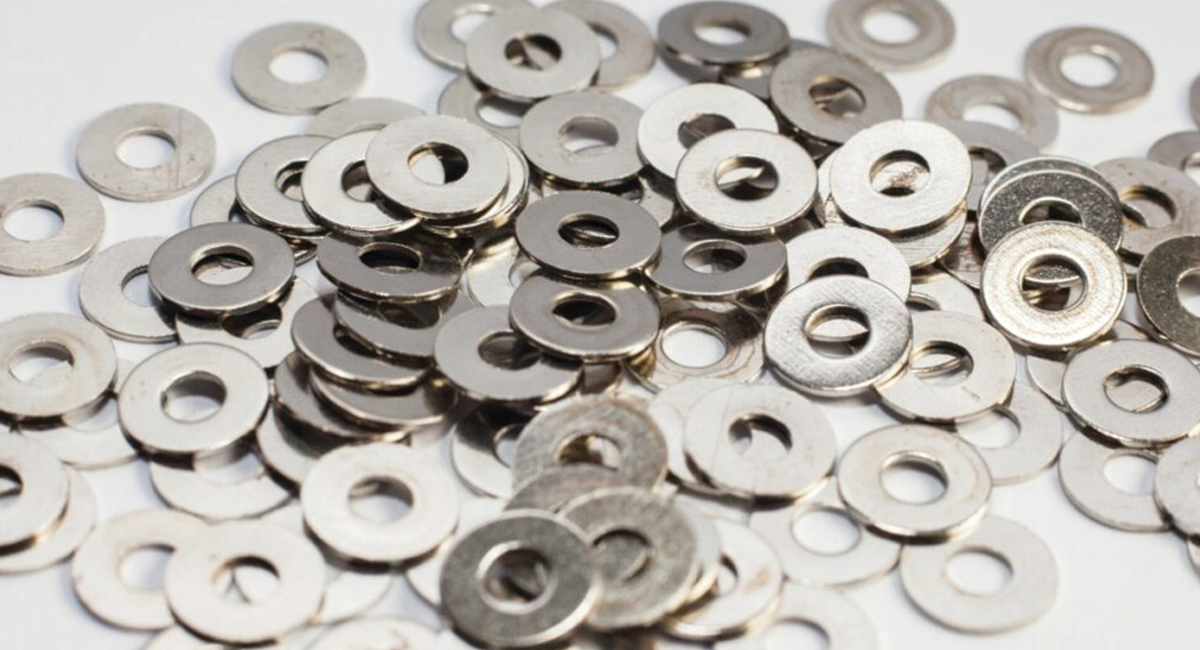
The Crucial Role of Washers in Strengthening Fastener Assemblies
In mechanical assemblies and fastening systems, washers often appear to be small, simple components, but their role is far from minor. Positioned between the fastener and the surface, washers serve as a critical element that enhances strength, prevents damage, and ensures secure fastening. Their importance lies in both functionality and long-term reliability of the joint.
Premium Washers by MetalGrip4EverWashers provided by MetalGrip4Ever are precision-made, durable, and reliable, ensuring optimal load distribution and protection in assemblies. As a value-added advantage, we also provide complimentary washers with many fastening items where they are required, delivering complete solutions that enhance performance, stability, and customer convenience.
Even Load Distribution
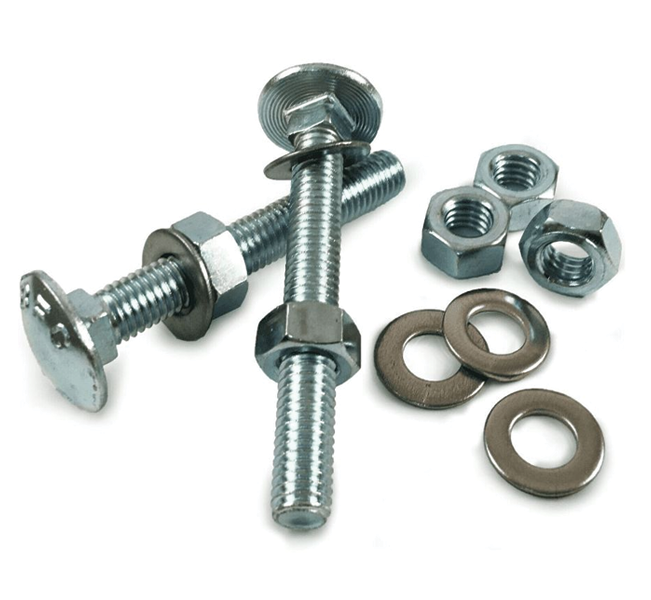
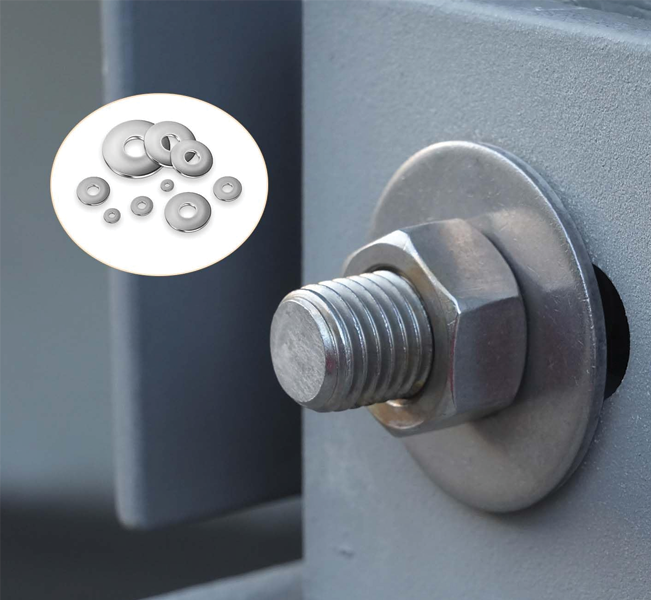
One of the primary functions of a washer is distributing the load evenly when a fastener is tightened. Without a washer, the pressure of the bolt or screw head can create dents, cracks, or uneven stress on the material. Washers spread the load over a wider surface area, minimizing wear and extending the life of the assembly.
Protection and Stability
Washers act as protective barriers, preventing direct metal-to-metal contact that could damage surfaces or cause scratching. They also reduce friction during tightening, ensuring more stable fastening. In high-vibration environments, specific types such as lock washers provide additional grip, preventing loosening and maintaining joint integrity.
Corrosion Prevention and Insulation
Certain washers are designed for corrosion resistance and electrical insulation. For example, stainless steel washers offer long-lasting durability against rust, while non-metallic washers provide insulation in electrical applications. This makes them vital in industries like automotive, aerospace, and electronics.
Versatility in Applications
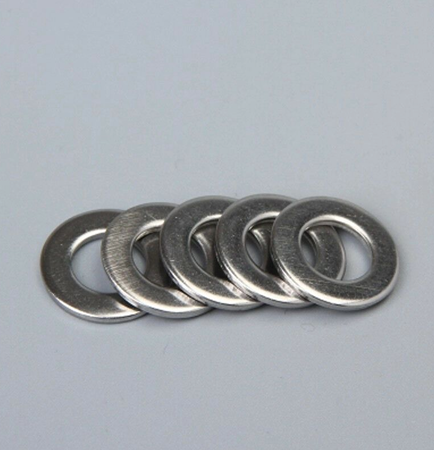
Washers come in various types—flat, spring, lock, and sealing washers—each tailored to different needs. This versatility ensures they can be used across construction, machinery, plumbing, and precision instruments, adapting to a wide range of assembly requirements.
In conclusion, washers are indispensable components in fastening assemblies. They provide load distribution, protection, stability, and resistance against wear, corrosion, or loosening. By choosing the right washer type and material, industries and users ensure stronger, safer, and longer-lasting assemblies. Small in size but big in impact, washers make all the difference.
Recent Posts