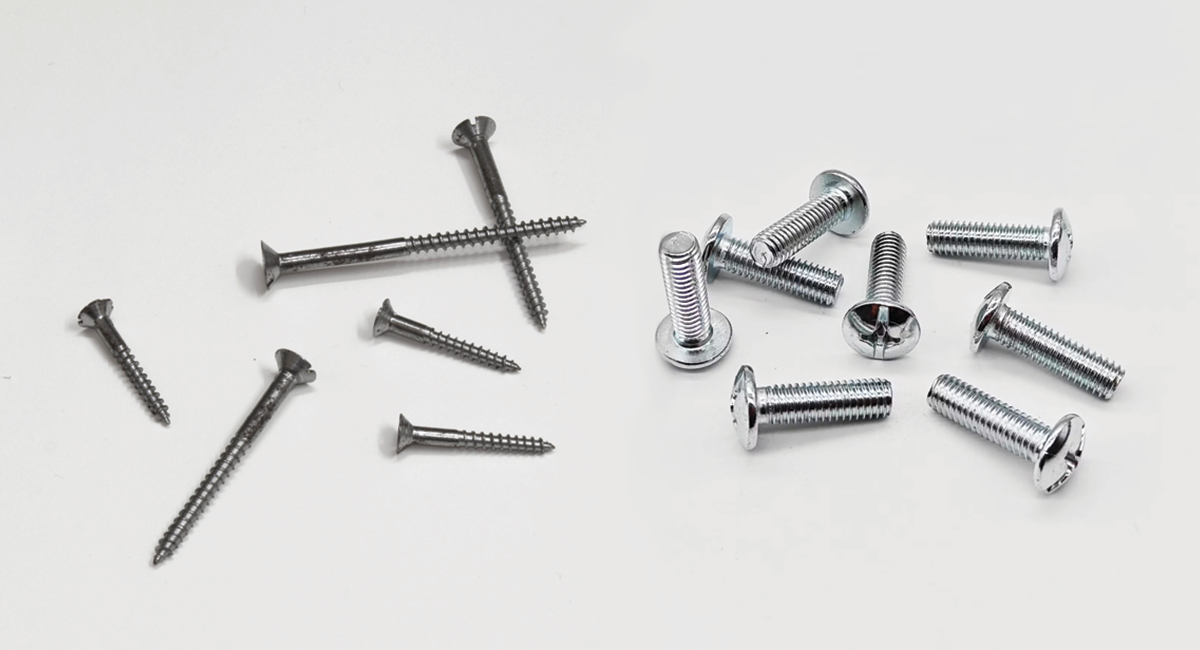
Wood Screws Versus Machine Screws: Which Option Suits Your Project?
Screws are essential fasteners, but selecting the right type is critical to ensure strong and reliable joints. Among the most common options are wood screws and machine screws, each designed for specific applications. Understanding their differences helps in making the right choice for durability, performance, and safety in any project.
Precision in Wood and Machine ScrewsWe specialize in manufacturing and supplying wood screws and machine screws with strict precision quality checks at every stage. Our advanced processes ensure strength, reliability, and durability. Additionally, we offer complete customization options, tailoring screw sizes, finishes, and specifications to meet diverse customer requirements with excellence.
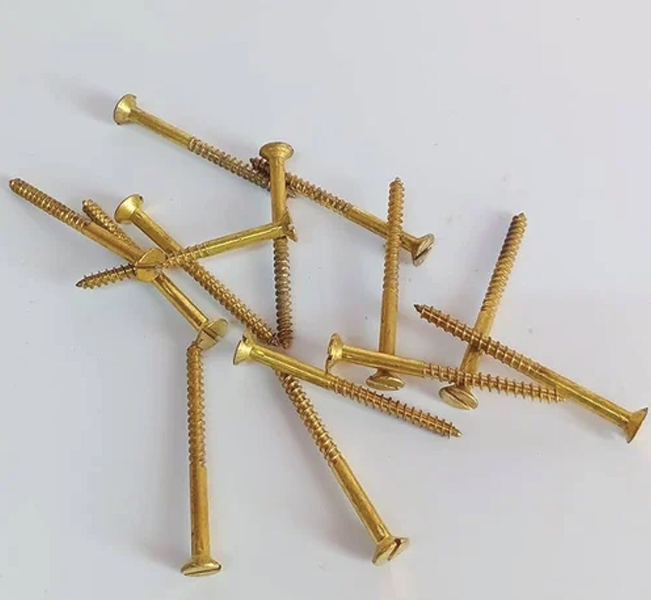
Wood Screws – Built for Timber Applications
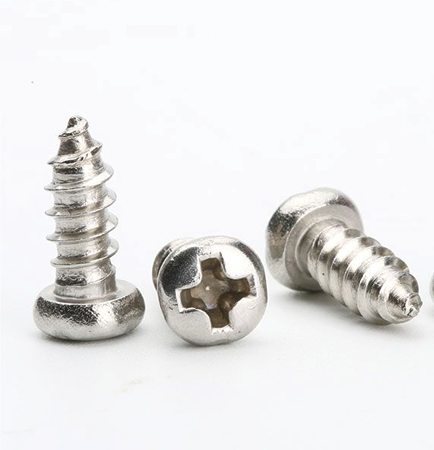
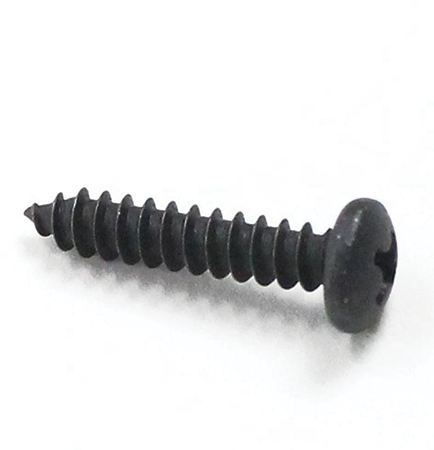
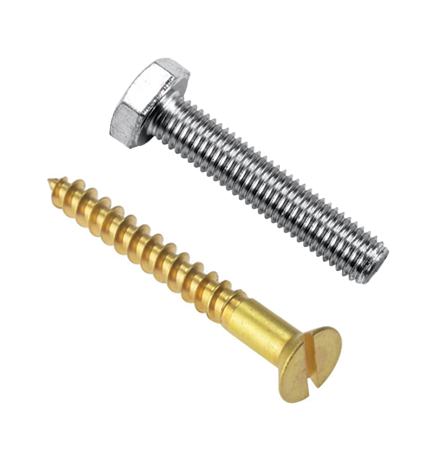
Wood screws are specially designed with sharp, coarse threads that cut directly into wooden surfaces, providing a strong grip without the need for pre-tapping. Their tapered body allows easy insertion and minimizes splitting of the wood. Typically used in furniture, cabinetry, and construction projects, wood screws are ideal when fastening directly into soft or hard timber. They are also available in different finishes to resist rust when used outdoors.
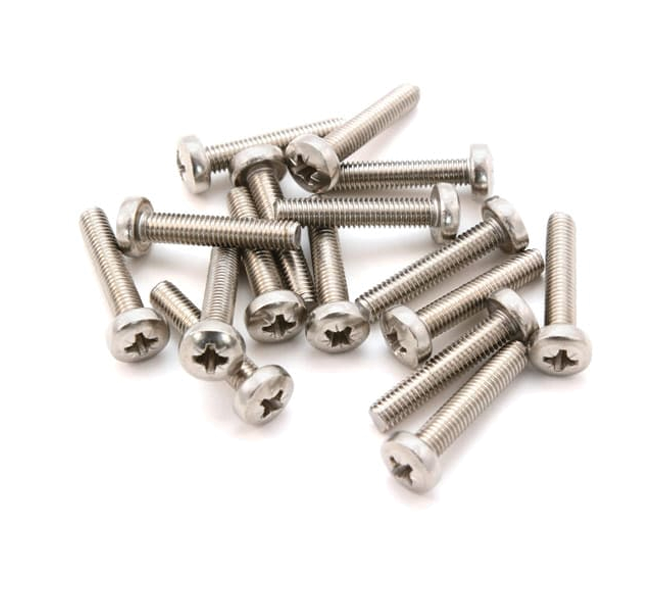
Machine Screws – Precision and Versatility
Machine screws are manufactured with uniform, fine threads that require a pre-tapped hole or a corresponding nut to secure them. Unlike wood screws, they are used in metal, plastic, or machinery assemblies where precision and strength are essential. Common in automotive, electrical, and industrial equipment, machine screws are available in various head styles, lengths, and materials, making them versatile for mechanical applications.
Key Differences to Consider
When choosing between wood and machine screws, consider:
In conclusion, wood screws excel in timber applications, providing direct grip and ease of use, while machine screws ensure precision and durability in metal and industrial fittings. By understanding their unique properties and selecting accordingly, users can achieve stronger, longer-lasting, and more efficient assemblies in every project.
Recent Posts